
|
Solar Cooker Science Project
by Brad
(Vegas)

|

|

|

|
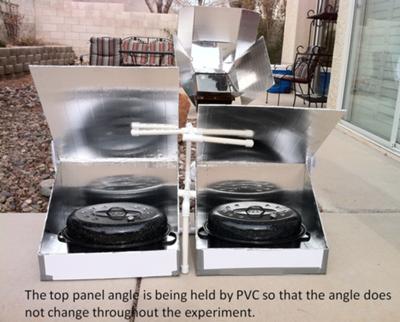
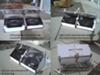
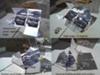
I mentioned, in a previous story, that my neighbor was looking for a science project idea and knew about my solar cooker hobby. After sitting down and discussing the rules of the project, I aided in the construction of two identical panel cookers. They were large enough to accommodate a roaster sized graniteware.
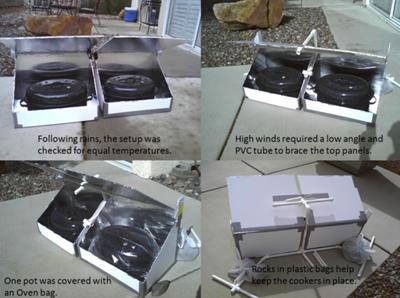
With these two cooker setups side by side, we first tested that the temperatures matched, throughout a sunny/cloudy day. Thankfully the temperatures matched exactly, which established the control we were looking for.
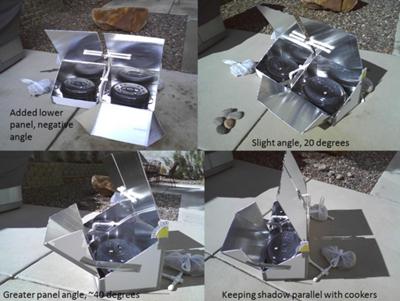
From there, we discussed variables that could be individually tested, as although the project simply called for one, maybe two...we changed many. It turned out to be a very enlightening project for my neighbors, and a lot of fun for me as well. In one test we had the two cookers with different panel angles on top. In another we added a bottom panel, and then changed the angle throughout the day to see the impact on the temperature. We placed an oven bag on one pot, and left the other uncovered.
Very interesting project, especially on the first day when winds were howling through the backyard, which was very challenging. In one of the pictures, you can see where I put together PVC bracing (dryfit). Worked great, and it helped us in other stages of the testing, holding the single panel in place perfectly throughout the test period.
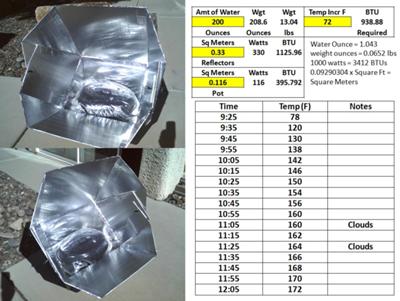
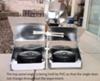
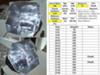
Once the project was submitted, I finally had the chance to finish fitting out the cookers with all of the reflector panels. In my own experiment, I filled the pot with 13 lbs of water, covered the pot with an oven bag, and tested how fast the cooker could raise the water temperature.
Very impressive. We'll be cooking a turkey in no time. As you can see from one of the pictures, despite a cloudy day on one test days, we cooked pork in my Global Sun Oven while data was gathered.
___________________________________________
Lucky neighbors!
Being able to have you help them with such an all encompassing solar cooker science project was a boon for them.
It really makes me glad that you share all of this with our site visitors as well, its a wealth of great information.
Thank you again,
Nathan
Admin.
Comments for Solar Cooker Science Project
|
||
|
||
|
||
|
||
|
||

SOLAR COOKER CATEGORIES
Panel Cookers
Box Cookers
Parabolic Cooker
Evacuated Cookers
Accessories
Discontinued CookersNew Financing Options available for purchase of Solar Cookers


©United states Copyright Solar Cooker at Cantinawest
©International Copyright Solar Cooker at Cantinawest
®All rights reserved,reproduction is prohibited without permission
Copyright 2017